

Why I Built STRATUM
Thirty years across global-scale IT and military IT left me asking the same question: why does infrastructure still feel so static?
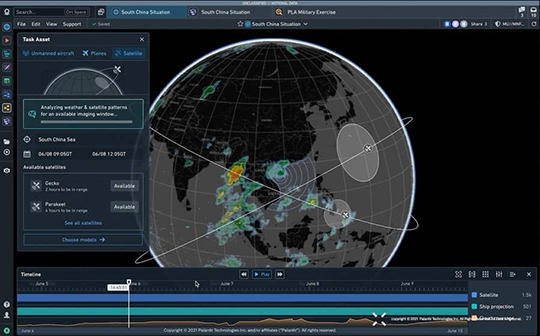
I have spent about 30 years working across both global-scale enterprise IT and military IT. In the military world, incredibly complex missions are operated through interactive interfaces that bring together aircraft, ships, submarines, drones, logistics, intelligence, cyber operations, supply chains, and increasingly AI. The interface gives the operator a mission picture and a place to act on it.
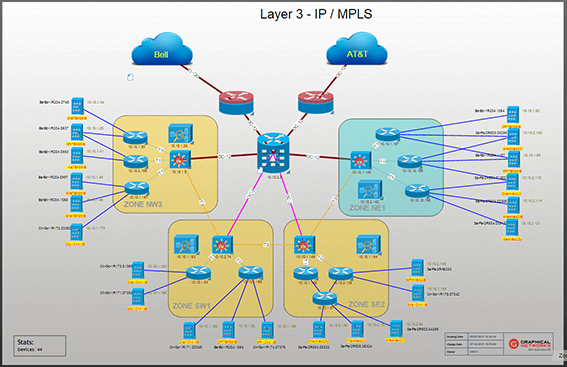
Then I look at enterprise infrastructure. We still rely heavily on red and green dashboards, static Visio diagrams, virtualization consoles full of VM lists, cloud consoles full of resource lists, and layers of menus and submenus. Automation helped, but many organizations eventually accumulated hundreds or thousands of scripts and playbooks that became another software estate to maintain, test, understand, and upgrade.
The silos are still there too. Network teams work from network views, server teams live in compute and virtualization consoles, application teams have their own operational tools, and security teams cross many of those domains through yet another collection of products. Datacenter teams still manage systems, network connections, storage, cabling, power, and cooling. Each group has part of the picture while the real environment exists across all of them at once.
I started looking closely at static infrastructure diagrams and at modern operational platforms such as Palantir Gotham and Anduril Lattice. I kept coming back to a simple question: why couldn't infrastructure have the same kind of living operational interface? After three decades, I wanted the diagram to become real, interactive, and connected directly to the systems it represents. That question became the foundation for STRATUM.